

Chairs: Diane Clare and Martin Dorahy
Committee: D Michael Coy, Jennifer Cushman, Naomi Halpern, Mary Pat Hanlin, Mary-Anne Kate, Kate McMaugh, Warwick Middleton, Adithy, Graham Pringle, Casey Richman, Kathryn Ryan, Marilize Slabber, Betty Snell, Miceal Wilson.
It was so exciting to bring back a Regional conference to Aotearoa/New Zealand after the last one was in Christchurch, 2019. Covid meant we had to offer a virtual conference in 2021, and many of the original committee stayed right through for a much longed-for in-person Australia-New Zealand Regional conference in Melbourne in 2022. Then planning commenced in early 2022 to bring this back to Aotearoa, and many of the original conference committee crew from 2019 through 2021 and then 2022 jumped back on the waka (canoe) to steer this to its successful conclusion in Pōneke, Whanganui a Tara (Wellington City in the Wellington Region), October 31 through November 1 & 2, 2025. So it has been a long and enjoyable journey together. Naming the conference as Hidden in Plain Sight: Identification and Treatment of Complex Trauma and Dissociation was easy as we know that many issues remain in having services recognise complex dissociation and treatment that is trauma-informed.
Venues and cultural aspects
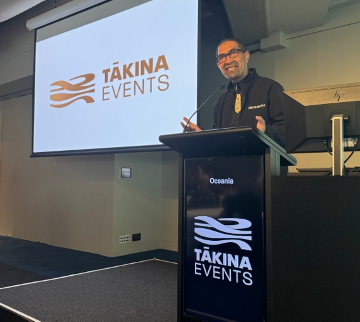
The Wellington conference was originally planned to be at Te Papa, the auspicious National museum of New Zealand on the waterfront. However we were asked by Te Papa if we would mind having the Saturday and Sunday across the road at Tākina, which is the huge conference centre full of cultural significance. Knowing this would be at no extra cost, we were very willing to pivot to have two spaces across the 3 days! It did mean we had to consider not one but two cultural welcomes for each space as two different iwi/tribes/communities were part of the open and close for each space. It was Diane’s task to negotiate these sensitive matters, so it was great to have support from the cultural advisors for both spaces to welcome and close the sessions.
We welcomed Australians, New Zealanders and a strong contingent from North America, including ISSTD staff, our President D. Michael Coy, and plenary presenter Julian Ford. We also welcomed the renowned speaker Jess Hill from Australia. We felt very privileged to have people come from so far away and the welcome at Te Papa on the Friday, followed by Tākina on the Saturday, was about connections of people from the 4 winds: north, west and east converging with the people of the south and the notoriously bracing winds of Wellington. Tākina means connections and this was an uplifting and inspirational space to be, offering many opportunities to add to the mix of experiences alongside the workshops and plenaries we had on the program.
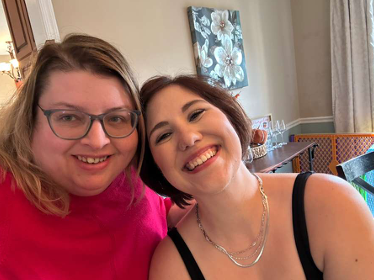
Our special thanks go to Casey Richman, who was there each day and seemed totally unflappable standing in as Mary Pat Hanlin sadly was unable to come. Mary Pat was definitely there in spirit, and she beamed in a great photo of her and former ISSTD staff-member Bethany, which boosted our morale on those busy days. We made sure Mary Pat was kept in mind for all the work she did to get us to this point. Casey was just awesome, and we appreicatte all the work she put in with such good humour and so efficiently. Nau mai haere mai Casey – welcome and welcome again!
The Program
The Conference opened on Friday and Tawhiti Kunaiti provided a heartfelt welcome to us all from mana whenua (the people of the land). There were many great workshops and as usual too many to mention in detail. A very full and fabulous array of options were delivered for the Friday pre-conference workshops by the following: D. Michael Coy, Mary-Anne Kate and Kate McMaugh, Julian D. Ford, Wiremu NiaNia and Allister Bush, Rick Hohfeler, Summer Benton and Graham Pringle.
Friday closed with a karakia (Māori prayer) and we reflected on plans for the move to Tākina for the rest of the conference.
Saturday conference day at Tākina
To begin the day we were in a new venue and Kura and Alishia Moeahu welcomed us with a spine tingling karanga (ceremonial call) and mihi whakatau and poi welcome. We responded with a waiata (song) which was a rousing start and a joyful uplifting feeling to what was to be a very inspiring day where we were treated to 3 wonderful plenary speakers: Julian Ford, Jess Hill and D. Michael Coy.
Julian Ford: Complex PTSD Across the Lifespan: History and Current Perspectives
Jess Hill: Too Long Unspoken: Gendered Violence, Child Maltreatment and Substance Abuse.
D. Michael Coy: Humility Bites: Navigating the Therapist’s Journey from Not Knowing to Knowing and Back
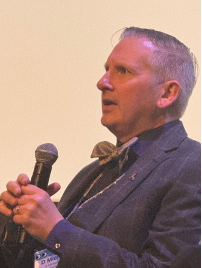
The day ended with a plenary panel entitled:
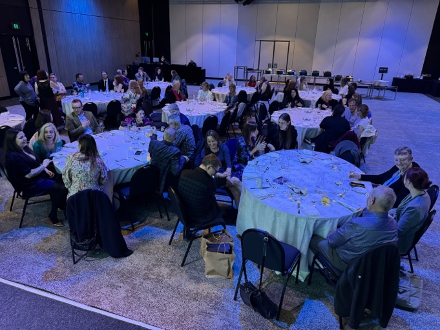
Connecting Services: Challenges in Delivering Services for Complex Trauma and Dissociation When Resources are Limited. Chair: Diane Clare; Panellists: Warwick Middleton, Betty Snell, Ruth Pracy and Kathryn Ryan. This was a thought provoking discussion about ways to share knowledge and enhance resources through teaching, and to begin to look at the value of groups, for example. Across NZ and Australia these challenges prevail, so innovation is welcomed.
Saturday dinner and awards ceremony then followed with a great number enjoying the informality as well as a lively after dinner speech from Warwick Middleton.
Sunday Workshops
We had a smorgasbord of 90 minute workshops in 4 streams on Sunday and the challenge was choosing. There are too many to mention them all but the feedback showed a deep appreciation of the range and calibre of the presentations. There were several that proved exceptionally popular, including: Roger Solomon’s workshop on the client’s alignment or internalisation of the perpetrator using great video examples. Mary-Anne Kate, Kate McMaugh and student presentations on working with neurodiversity and other co-morbid presentations in the context of dissociation was also a big hit. Marilyn Korzekwa’s BPD workshop was very well-attended as she took us through research on BPD in relation to other diagnostic categories relating to trauma and dissociation.
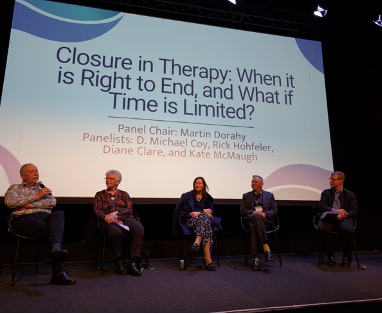
The closing plenary was entitled: The complex work of endings in therapy. Chair Martin Dorahy; Panellists: D. Michael Coy, Kate McMaugh, Diane Clare and Rick Hohfler. Several stories were shared of unexpected endings and discussion about what challenges arise in the transferential process about these as well as endings due to moving areas and how challenging endings can be after longer term therapy.
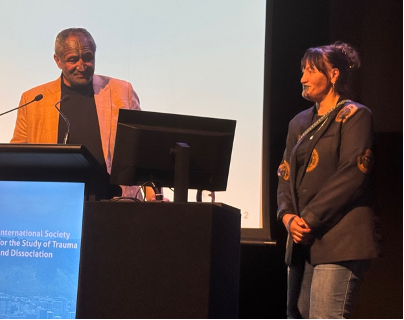
This led very smoothly to our own need to close what had been an inspiring 3 days of learning, with Kura and Alishia returning to graciously close and thank us for coming. We responded with a waiata about love and connection, which was sung with a deep understanding now of what these mean and we were all so grateful to our hosts for sharing this wonderful space and sharing of their culture and knowledge. We have no doubt that we will return!
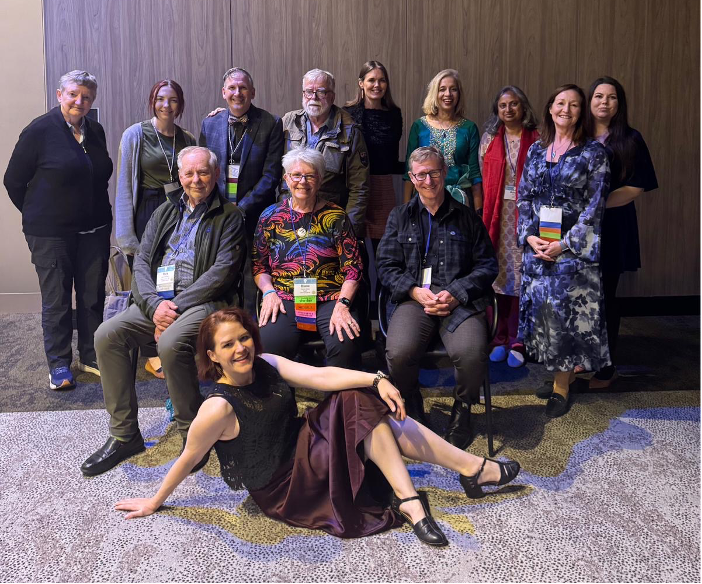
Our fabulous Committee
Finally, a huge thanks goes to our committee and volunteers who did a fabulous job pulling together the different components of the 3 days covering all the tasks, and some! There are way too many to mention but we thank them all for their various contributions and we simply could not have done it without you all!
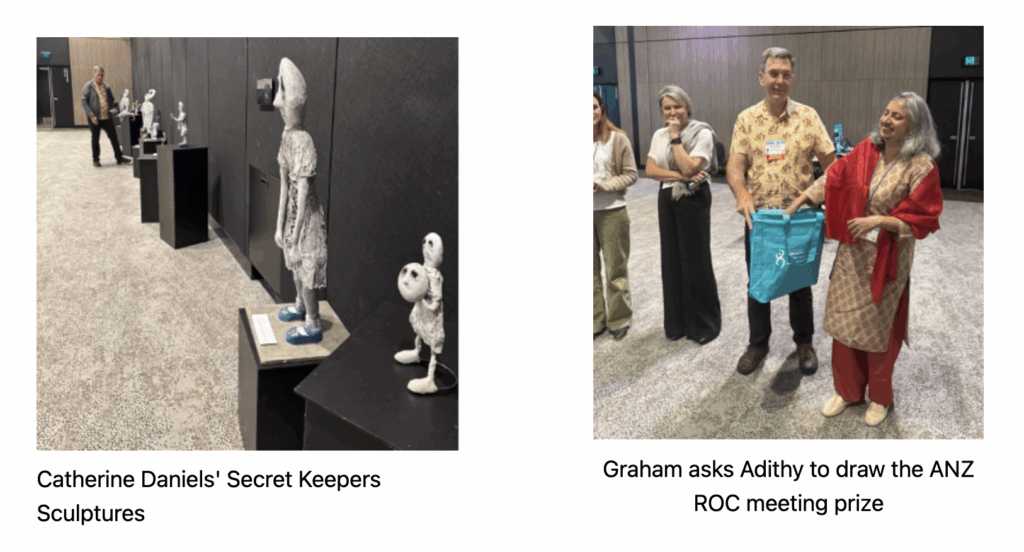
Social Events
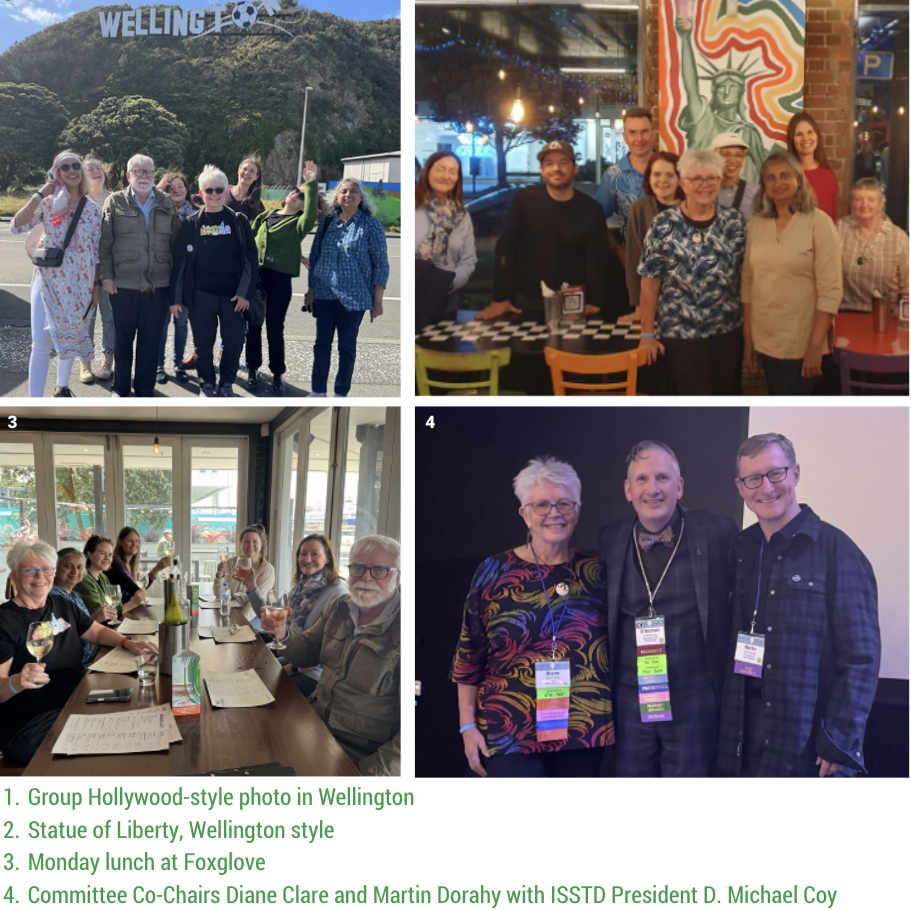
We cannot forget the fabulous social things we managed to enjoy together on pretty much each day for many of us. From tote bag stuffing on Thursday, and dinner with our very own Wellington version of the Statue of Liberty, then Saturday dinner, then Sunday celebrations. We also had a chance for a few of us to explore Wellington before fond farewells on the Monday.
Where to next?
The conference committee members received frequent feedback about the relaxed warm and welcoming nature of the conference and the networking and laughter this brought. Once again, we acknowledge our wonderful sponsors, The Cannan Institute via The Trauma and Dissociation Unit at Belmont Hospital, Queensland, and South Coast Psychology, New Zealand. We also discussed how Brisbane is an option to host the next regional conference. Overall, it was a wonderful connection. We learnt a lot and we connected once again, after far too long apart. There were lots of hugs, lots of deep discussions, and new friendships and collegiate networks were formed.
On that note, we had a chance at this conference to continue to promote the Australia-New Zealand Regional Online Community (ROC). We will maintain ongoing connection and support each other before the next regional conference. See you all online (click here for information about joining the ROC)!